



How to Do Kickbacks on Cable Machine for Best Results
Ever felt like your lower body workouts are missing something? Many fitness lovers in Canada find the key to a strong, toned body in the glutes. Learning kickbacks on cable machine changes the game...

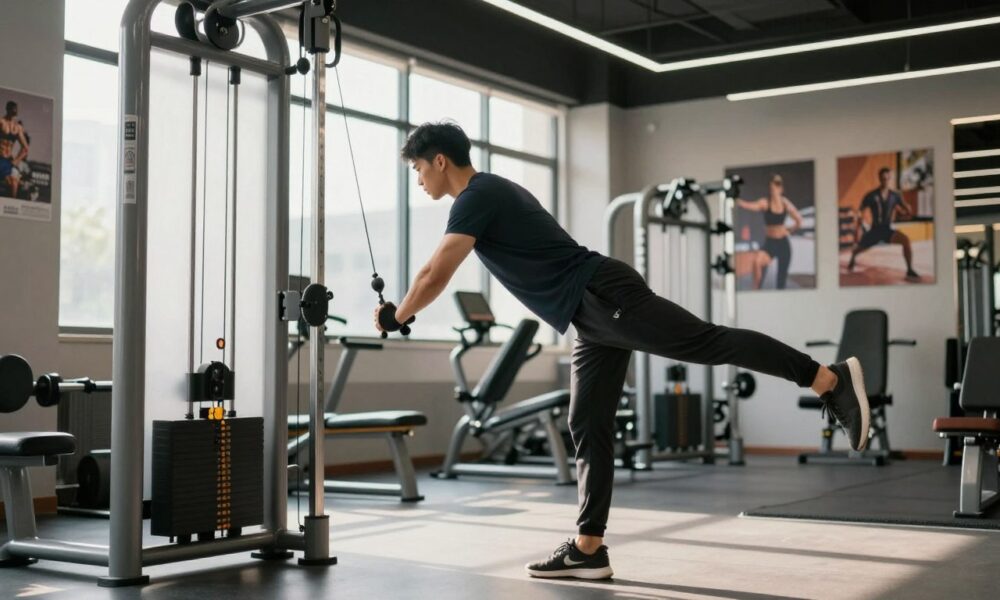
Ever felt like your lower body workouts are missing something? Many fitness lovers in Canada find the key to a strong, toned body in the glutes.
Table Of Content
- Key Takeaways
- Understanding the Anatomy and Benefits of Cable Kickbacks
- Targeting the Gluteus Maximus
- Why Cable Machines Outperform Free Weights for Glute Isolation
- The Role of Stability in Lower Body Development
- Essential Equipment and Setup for Cable Kickbacks
- Selecting the Right Cable Machine and Attachment
- Proper Ankle Strap Placement and Security
- Adjusting the Cable Height for Optimal Glute Engagement
- Mastering the Proper Form for Kickbacks on Cable Machine
- Establishing a Stable Starting Stance
- Maintaining a Neutral Spine and Core Engagement
- Executing the Controlled Kicking Motion
- Avoiding Common Form Mistakes
- Advanced Techniques to Maximize Glute Hypertrophy
- Incorporating Tempo Training for Time Under Tension
- Utilizing Pause Reps at the Peak of Contraction
- Implementing Drop Sets for Metabolic Stress
- Variations of Cable Kickbacks for Complete Glute Development
- Straight Leg Kickbacks for Glute-Hamstring Tie-in
- Bent Knee Kickbacks for Targeted Gluteus Maximus Focus
- Diagonal Kickbacks to Engage the Gluteus Medius
- Integrating Cable Machine Glute Exercises into Your Routine
- Structuring a Lower Body Workout Plan
- Determining Optimal Sets and Rep Ranges
- Balancing Cable Work with Compound Movements
- Safety Precautions and Injury Prevention
- Protecting the Lower Back During Movement
- Managing Weight Loads to Prevent Overexertion
- Recognizing Signs of Muscle Fatigue and Overtraining
- Common Troubleshooting for Cable Machine Glute Exercises
- Correcting Excessive Lower Back Arching
- Fixing Momentum and Swinging Issues
- Adjusting Foot Positioning for Better Mind-Muscle Connection
- Conclusion
- FAQ
- Why should I choose cable kickbacks over free-weight glute exercises?
- What is the ideal pulley height for performing kickbacks on cable machine?
- How can I prevent lower back pain while performing cable machine leg exercises?
- Which variation is better: straight leg or bent knee kickbacks?
- How often should I include kickbacks on cable machine in my weekly routine?
- What are the signs that the weight load is too heavy for my cable kickbacks?
- Can diagonal kickbacks help with the “side glute” appearance?
- How do I use advanced techniques like drop sets with cable machine glute exercises?
Learning kickbacks on cable machine changes the game for those wanting to boost strength and look good. This exercise focuses on the muscles, making each rep count for a balanced body.
Regularly doing this move is a must for serious fitness goals. Focus on the right technique and safety to reach your limits. This guide will show you how to get the most out of your workouts while keeping your form perfect.
Key Takeaways
- Targeting the glutes is essential for overall lower body strength and stability.
- Proper form prevents injury and maximizes muscle engagement during your workout.
- The cable apparatus offers constant tension, which is superior for muscle hypertrophy.
- Consistent training leads to significant improvements in both aesthetic tone and power.
- Safety and anatomical efficiency should always remain your top priorities in the gym.
Understanding the Anatomy and Benefits of Cable Kickbacks
Many fitness fans often miss out on the benefits of using cables for glute growth. Adding cable kickbacks to your workout can isolate muscles better than other gear. This move targets the back muscles, making sure the glutes get a good workout with each rep.
Targeting the Gluteus Maximus
The gluteus maximus is the biggest muscle in our body and is key for hip extension. Doing best cable machine kickback exercises aims to shorten this muscle through a controlled kick. This action makes the muscle fibers contract against resistance, which is key for building strength and size.
Why Cable Machines Outperform Free Weights for Glute Isolation
Cable systems offer constant tension unlike free weights, which rely on gravity. This steady load keeps the muscle working hard throughout the movement. As a result, the gluteus maximus gets a better workout, leading to more muscle growth over time.
The Role of Stability in Lower Body Development
Stability is crucial for effective lower body exercises. Cable machines help keep the body stable, reducing unwanted movements from the lower back. This focus on proper form ensures the glutes do the work, protecting the body and boosting muscle growth.
| Feature | Cable Kickbacks | Free Weight Movements |
|---|---|---|
| Tension Type | Constant | Variable |
| Isolation Level | High | Moderate |
| Stability | High | Low |
| Injury Risk | Low | Moderate |
Essential Equipment and Setup for Cable Kickbacks
Getting the most out of your workout starts before you lift a weight. A well-prepared station is key for safe and effective cable kickbacks in any gym.
Selecting the Right Cable Machine and Attachment
Modern gyms have adjustable cable towers perfect for this exercise. It’s crucial to pick a machine with a solid base that stays steady under tension.
For the best results, use an ankle cuff attachment instead of a handle. These cuffs spread the weight evenly around your ankle. This helps keep your focus on your glutes during cable kickbacks.
Proper Ankle Strap Placement and Security
After getting your attachment, make sure the strap is tight around your ankle. The padding should be against your skin or over a thin sock to avoid rubbing.
The strap needs to be tight enough to keep it from slipping or rotating. A loose strap can mess up your form and stability needed for cable kickbacks.
Adjusting the Cable Height for Optimal Glute Engagement
The last step is to adjust the pulley height to fit your body. For most people, the lowest position on the tower works best.
This low start lets you move fully and aligns the pull with your glutes. By setting up your station right, you can do cable kickbacks with more power and control.
Mastering the Proper Form for Kickbacks on Cable Machine
Getting the right form in cable-based glute exercises is key to muscle growth, not injury. When doing kickbacks on cable machine, the difference between a good set and a bad one is all about how you do it. Focus on precision to target the glutes well and avoid straining your lower back.
Establishing a Stable Starting Stance
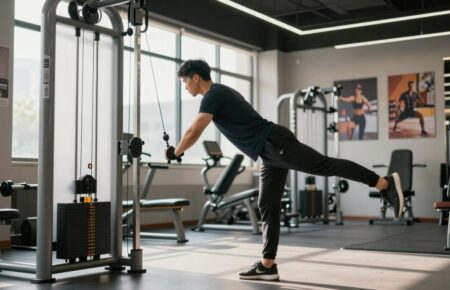
Starting right is crucial for a good workout. Stand facing the cable tower with a slight bend in your supporting knee for better balance. Hold onto the machine frame tightly to keep your upper body still during the exercise.
Maintaining a Neutral Spine and Core Engagement
Keeping your back straight is important to avoid injury. Tighten your core muscles as if you’re ready for a sudden move. This helps prevent your lower back from arching too much, which can cause pain during kickbacks on cable machine.
Executing the Controlled Kicking Motion
The movement should come from your glutes, not your back or momentum. Start the kick by pushing your heel back in a smooth, controlled motion. At the top, squeeze your glute muscles for a second to increase muscle stress before slowly going back to the start.
Avoiding Common Form Mistakes
Many people struggle with form because they use too much weight or swing their body. To make progress, it helps to compare your form with common mistakes that can hold you back.
| Common Mistake | Corrective Action | Impact on Results |
|---|---|---|
| Excessive Back Arching | Engage core and tuck pelvis | Protects lumbar spine |
| Using Momentum | Slow down the tempo | Increases muscle tension |
| Bending the Knee | Keep leg relatively straight | Better glute isolation |
| Shifting Weight | Maintain stable stance | Improves balance and focus |
Advanced Techniques to Maximize Glute Hypertrophy
To grow your glutes, you need more than just heavier weights. When regular reps don’t work anymore, try new intensity methods. These are key for the best cable machine kickback exercises to improve your lower body.
Incorporating Tempo Training for Time Under Tension
Tempo training makes your muscles work longer under load. By slowing down the lowering phase, you make your glutes work harder. Keeping a steady tempo helps engage deeper muscle fibers.
Start with a 3-1-1 tempo. Lower the weight for three seconds, pause for one, then lift quickly for one second.
Utilizing Pause Reps at the Peak of Contraction
The kickback’s peak is when your glutes are most active. Holding this position boosts your mind-muscle connection. It also helps you avoid using momentum.
- Hold the peak contraction for two full seconds.
- Focus on squeezing the glute muscle intentionally.
- Avoid arching your lower back to compensate for the hold.
Implementing Drop Sets for Metabolic Stress
Drop sets increase metabolic stress, which drives muscle growth. After a set to failure, cut the weight by 20% to 30%. Then, do more reps without resting. This pushes your muscles to their limit.
Adding these techniques to your workout will help you find the best cable machine kickback exercises for your goals. By changing tempo, pauses, and volume, you create the right environment for glute growth.
Variations of Cable Kickbacks for Complete Glute Development
Making small changes to your cable kickbacks can lead to big muscle gains. Changing the angle of your leg or where your knee is can focus on different muscle groups. This way, every part of your glutes gets worked.
Straight Leg Kickbacks for Glute-Hamstring Tie-in
Doing the move with your leg straight is a top cable machine hamstring exercise. Keeping your knee straight makes your hamstrings and glutes work together. This is key for a clear line between your lower glute and upper hamstring.
Bent Knee Kickbacks for Targeted Gluteus Maximus Focus
With your knee bent at ninety degrees, you reduce hamstring work. This lets your gluteus maximus take on more of the effort. Keeping your knee bent helps you get a deeper contraction, which is great for muscle growth.
Diagonal Kickbacks to Engage the Gluteus Medius
Try kicking your leg out at a slight diagonal for the upper and outer glutes. This angle works the gluteus medius, helping with hip stability and a nice shape. Adding these cable kickbacks to your workout can lead to a well-rounded lower body.
Integrating Cable Machine Glute Exercises into Your Routine
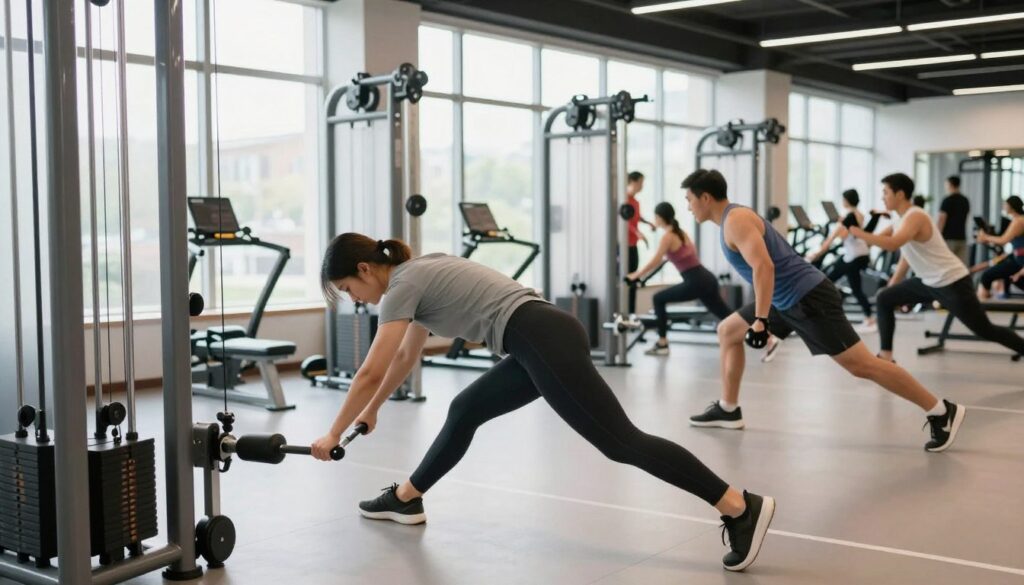
To build a strong lower body, picking the right exercises is key. Adding cable machine glute exercises to your weekly routine helps muscles grow. It also lets your body recover between workouts.
Being consistent is crucial for lasting results. Placing these exercises at the right time in your workout boosts your performance. This helps you see better muscle definition.
Structuring a Lower Body Workout Plan
A good program starts with big, multi-joint exercises. These exercises work many muscles at once. After these, focus on isolation exercises to target specific areas.
A cable machine workout for glutes is perfect for finishing a leg day. It exhausts the muscles without overloading the nervous system.
Determining Optimal Sets and Rep Ranges
The number of sets and reps varies based on your training goals. For muscle growth, a moderate rep range works best for most people.
Here’s how to adjust your volume for different goals:
| Goal | Sets | Repetitions | Rest Period |
|---|---|---|---|
| Strength Focus | 3-4 | 6-8 | 90-120 seconds |
| Hypertrophy | 3-5 | 10-15 | 60-90 seconds |
| Endurance | 2-3 | 15-20 | 45-60 seconds |
Balancing Cable Work with Compound Movements
Compound exercises like squats, lunges, and deadlifts are essential. They build strength and function in the lower body.
Adding cable machine glute exercises after these lifts targets the glutes. This approach avoids overloading the lower back. It ensures the biggest muscles are worked when you’re strongest.
Safety Precautions and Injury Prevention
When doing cable machine leg exercises, keeping the right form is key for your health. Safety is the base of any good fitness plan, especially with weights. By following certain steps, you can avoid risks and get the most out of your workouts.
Protecting the Lower Back During Movement
The lower back is at risk during certain moves. To keep it safe, you need to engage the core muscles all the time. Keeping your spine straight helps avoid putting too much pressure on it.
Don’t let your back curve or arch too much, even if the weight is heavy. A strong core acts like a natural belt, supporting your spine during tough workouts.
Managing Weight Loads to Prevent Overexertion
Trying to lift too much can hurt you. Pick a weight you can control from start to finish. If your form starts to slip, the weight is too much.
Don’t rush to lift more weight too fast. When doing cable machine lower body exercises, focus on the quality of your movements. Smooth, controlled actions are better than trying to lift too much.
“True strength is built through consistency and the wisdom to know when to push and when to recover. Injury prevention is not a limitation; it is a strategy for longevity.”
Recognizing Signs of Muscle Fatigue and Overtraining
Too much training can hurt your performance and increase injury risk. Pay attention to your body and spot signs of tiredness early. Joint pain, feeling really tired, or losing strength are signs you need to rest.
Having rest weeks helps your body recover. Eating right and sleeping well are also key for safe training. Use the table below to keep track of your safety during workouts.
| Safety Factor | Action Required | Goal |
|---|---|---|
| Core Stability | Brace before movement | Protect lumbar spine |
| Weight Selection | Choose manageable loads | Ensure perfect form |
| Recovery | Monitor fatigue levels | Prevent overtraining |
| Equipment Check | Inspect cable attachments | Avoid mechanical failure |
Common Troubleshooting for Cable Machine Glute Exercises
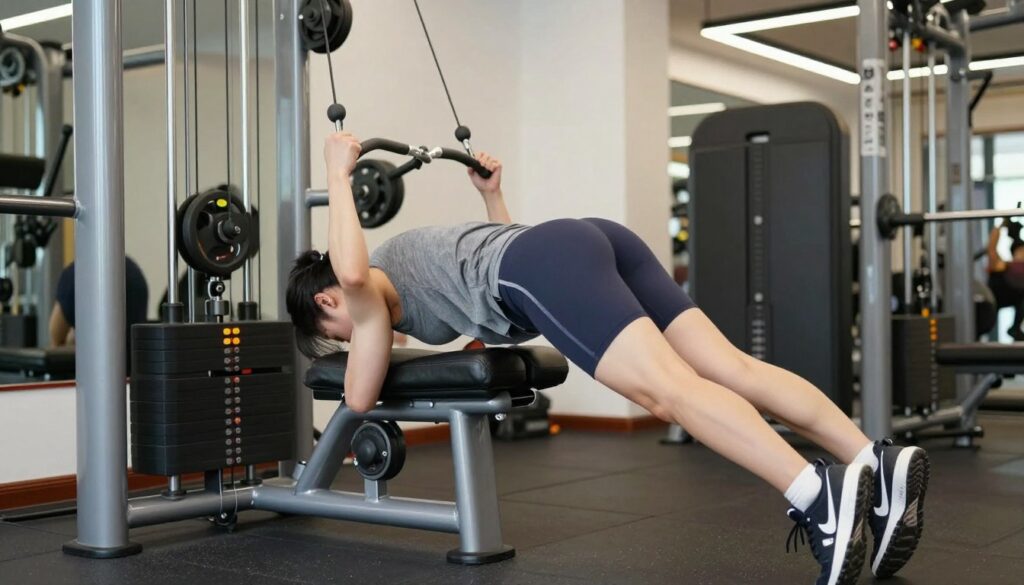
Even experienced gym-goers face challenges with cable machine glute exercises. These exercises are great for building muscle, but small mistakes can affect the right muscles. Spotting these errors early is crucial for progress.
Correcting Excessive Lower Back Arching
Many people arch their lower back too much during these exercises. This often happens when they try to move too far. To avoid this, engage your core muscles before starting the kickback.
Imagine pulling your ribcage down toward your pelvis to keep your spine straight. If your lower back hurts, stop and use less weight. Focus on squeezing your glutes, not just lifting high.
Fixing Momentum and Swinging Issues
Using momentum is a common mistake in kickbacks on cable machine. If the weight moves on its own, you’re not using your muscles. This means less work for the muscles you want to target.
Move slowly to avoid swinging. Aim for a two-second kickback and a three-second return. This controlled tempo keeps your glutes working hard throughout the exercise.
“The quality of your movement is far more important than the amount of weight on the stack. If you cannot control the load, you are not training the muscle; you are just moving weight.”
Adjusting Foot Positioning for Better Mind-Muscle Connection
Changing your foot angle can greatly affect how you feel the exercise. If you’re not feeling your glutes, try rotating your toes slightly. This can target different muscle fibers in your glutes.
Also, keep your standing leg slightly bent for stability. A straight knee can cause instability. Try different angles to find what works best for you.
| Common Issue | Primary Cause | Recommended Fix |
|---|---|---|
| Lower Back Pain | Excessive Arching | Brace core and reduce range |
| Weight Clanking | Using Momentum | Slow down the eccentric phase |
| Lack of Glute Feel | Poor Foot Angle | Rotate toes slightly outward |
Conclusion
Building a strong lower body needs precision, patience, and hard work. The cable machine is a top choice for targeting the glutes and growing muscles.
Success comes from keeping proper form and increasing weight over time. Athletes track their progress and focus on smooth movements. This helps them make real changes in their muscles.
Sticking to a routine is key for lasting results in fitness. Even small changes in stance or speed can make a big difference. Being consistent helps build a stronger, more durable body.
Getting the most out of glute training is a long-term effort. Regular use of these methods changes how your body reacts to workouts. Aim for new records while keeping your form perfect.
FAQ
Why should I choose cable kickbacks over free-weight glute exercises?
What is the ideal pulley height for performing kickbacks on cable machine?
How can I prevent lower back pain while performing cable machine leg exercises?
Which variation is better: straight leg or bent knee kickbacks?
How often should I include kickbacks on cable machine in my weekly routine?
What are the signs that the weight load is too heavy for my cable kickbacks?
Can diagonal kickbacks help with the “side glute” appearance?
How do I use advanced techniques like drop sets with cable machine glute exercises?




No Comment! Be the first one.