




Best Cable Machine Workouts to Build Muscle Fast
Ever thought if your gym routine is really pushing you to your limits? For many Canadians, the long winters mean indoor workouts are a must. Cable machines offer constant tension, a unique benefit...

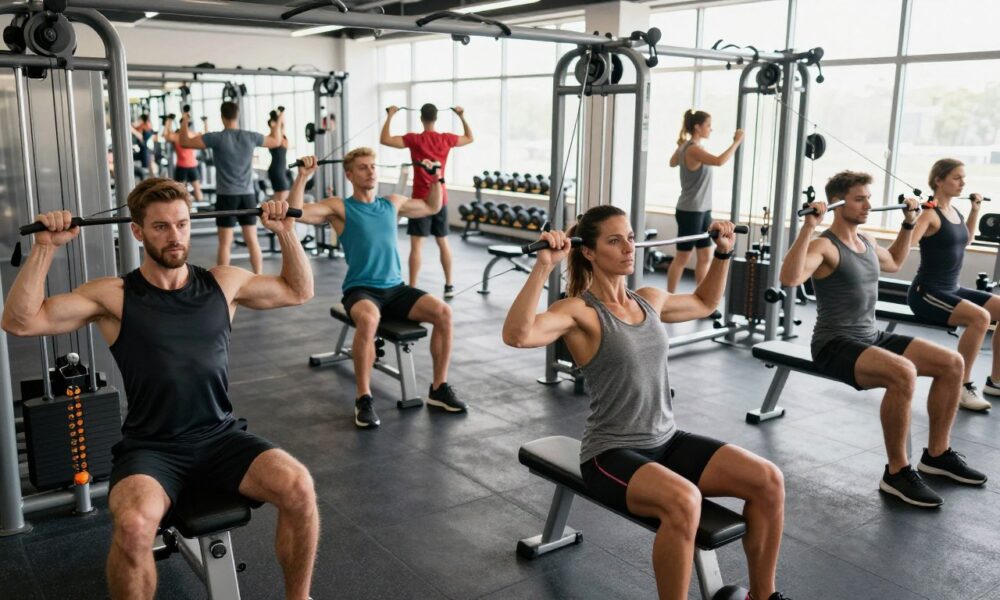
Ever thought if your gym routine is really pushing you to your limits? For many Canadians, the long winters mean indoor workouts are a must. Cable machines offer constant tension, a unique benefit that free weights often lack.
Table Of Content
- Key Takeaways
- Understanding the Mechanics of Cable Training
- Constant Tension and Muscle Hypertrophy
- Why Cables Outperform Free Weights for Isolation
- Essential Equipment for Canadian Gym Enthusiasts
- Selecting the Right Cable Attachments
- Adjusting Pulley Heights for Optimal Biomechanics
- Upper Body Cable Workouts for Maximum Growth
- Cable Chest Press Variations
- Targeting the Back with Lat Pulldowns and Rows
- Perfecting the Seated Cable Row Form
- Sculpting Shoulders and Arms with Cable Machines
- Cable Lateral Raises for Deltoid Development
- Triceps Pushdowns and Biceps Curls
- Lower Body Cable Exercises for Strength and Stability
- Glute Kickbacks and Hip Abduction
- Cable Squats and Lunges for Functional Fitness
- Core Strengthening with Cable Resistance
- Cable Woodchoppers for Oblique Engagement
- Cable Crunches for Rectus Abdominis Hypertrophy
- Structuring the Best Cable Machine Workouts for Beginners
- Designing a Full-Body Routine
- Frequency and Volume Recommendations
- Advanced Techniques to Accelerate Muscle Gains
- Drop Sets and Supersets on Cable Stations
- Time Under Tension Strategies
- Safety Protocols and Injury Prevention
- Maintaining Proper Posture During Heavy Sets
- Avoiding Common Cable Machine Mistakes
- Integrating Cable Workouts into Your Existing Routine
- Combining Cables with Compound Free Weight Lifts
- Recovery and Nutrition for Canadian Athletes
- Tracking Progress and Progressive Overload
- Logging Volume and Intensity
- When to Increase Resistance
- Conclusion
- FAQ
- What are the primary cable machine benefits compared to using dumbbells or barbells?
- How should a cable machine workout for beginners be structured for the best results?
- Can functional fitness exercises be performed effectively on a cable tower?
- What are the best cable machine workouts for targeting the upper body?
- Why is strength training with cables considered efficient for advanced lifters?
- How does adjusting pulley heights impact the effectiveness of cable machine workout routines?
- What is the most effective way to ensure progressive overload with cable machine exercises?
- Are cables effective for lower body development and stability?
Adding best cable machine workouts to your routine boosts muscle growth fast. These exercises keep muscles active from start to finish. By focusing on progressive overload and proper form, you can safely build strength.
This guide shows how to use these tools to change your body. Whether you’re new to lifting or have been doing it for years, these methods are a sure way to consistent growth.
Key Takeaways
- Cable training provides continuous tension for superior muscle fiber recruitment.
- These exercises are ideal for maintaining fitness during harsh Canadian winters.
- Prioritizing controlled form prevents injury and enhances long-term results.
- Progressive overload remains the primary driver for rapid strength gains.
- Versatile attachments allow for a wide variety of movement patterns.
Understanding the Mechanics of Cable Training
Cable machines use pulleys to change how resistance works on your muscles. They let you move freely, matching your body’s natural way. Adding cable machine exercises to your workout makes it more versatile.
Constant Tension and Muscle Hypertrophy
One big cable machine benefit is constant tension during every move. Unlike dumbbells, which have “dead zones,” cables keep your muscles working all the time. This is key for building muscle and stress.
Keeping muscles under tension helps them grow. It’s great for athletes in Canada who want to build lean muscle. Strength training with cables is very effective for this.
Why Cables Outperform Free Weights for Isolation
Cables are better for targeting specific muscles because they offer precise angles. Free weights need a lot of effort to stay stable, but cables guide you. This lets you focus on the muscle you want to work.
With cables, you can adjust the setup to fit your body. This is a big plus for strength training with cables. It helps you avoid using the wrong muscles. This makes your cable machine exercises a key part of any good workout plan.
Essential Equipment for Canadian Gym Enthusiasts
To get the most out of the cable machine benefits, knowing how to use different attachments is key. Whether you’re at a community center or a fancy gym, the right equipment makes a big difference. It helps you target the right muscles with precision.
Selecting the Right Cable Attachments
Most gyms have many handles for different exercises. The rope attachment is great for triceps and face pulls, offering more movement. D-handles are versatile for single-arm exercises, helping balance muscles.
Straight bars are best for big exercises like lat pulldowns or rows. Using these tools in your cable machine gym routine keeps the workout challenging. It prevents getting stuck in a routine.
| Attachment Type | Primary Muscle Group | Best Exercise |
|---|---|---|
| Rope Attachment | Triceps / Rear Delts | Triceps Pushdowns |
| D-Handle | Chest / Shoulders | Single-Arm Press |
| Straight Bar | Back / Lats | Lat Pulldowns |
| Ankle Cuff | Glutes / Hips | Cable Kickbacks |
Adjusting Pulley Heights for Optimal Biomechanics
Changing the pulley height is crucial for safe and effective workouts. If it’s too high or low, it can hurt your joints. Make sure the cable follows your natural movement for safety.
For exercises like pressing or rows, set the pulley at shoulder height. For downward pulls, go for the top of the tower. Adjusting the machine right ensures your muscles work, not your joints.
Upper Body Cable Workouts for Maximum Growth
Cable stations are great for targeting specific muscles that free weights might miss. They keep tension constant, which is key for muscle growth. Adding these exercises to a total body cable workout helps build a balanced physique.
Cable Chest Press Variations
Cable chest presses offer a unique advantage over barbell exercises. They allow for a natural movement arc. This helps in stretching and contracting muscles more effectively.
Adjusting the pulley height changes which chest muscles are worked. Standing in a stable, staggered position helps keep balance. Squeezing the chest muscles together maximizes the workout’s effectiveness.
Targeting the Back with Lat Pulldowns and Rows
Building a wide, thick back needs both vertical and horizontal pulls. Lat pulldowns build width, while rows focus on thickness and mid-back density. Proper form ensures the lats do most of the work.
Perfecting the Seated Cable Row Form
For seated cable rows, focus on strict form over heavy weights. Keeping the spine neutral is key to avoid back strain. Avoid swinging or using momentum to lift the weight.
Start by pulling the shoulder blades back before pulling the handle towards your belly. This movement is essential for a total body cable workout. It improves posture and spinal health. Keeping elbows close to the body engages the latissimus dorsi muscles.
Sculpting Shoulders and Arms with Cable Machines
Many fitness lovers in Canada aim for a toned upper body. Using specific exercises on cable machines can really help. Cable machines offer a big advantage: they keep tension constant, which is hard to get with free weights.
Cable Lateral Raises for Deltoid Development
The cable lateral raise is great for the side deltoids. Unlike dumbbells, cables keep the muscle working hard from start to finish. This continuous tension helps the deltoid grow stronger over time.
To do this right, stand sideways to the pulley and set the handle at ankle height. Keep your arm slightly bent and lead with your elbow as you raise your arm to shoulder height. This precise movement pattern ensures that the side deltoid remains the primary mover throughout the set.
Triceps Pushdowns and Biceps Curls
For impressive arms, add these exercises to your cable machine gym routine. The secret to success is keeping your form strict. You must keep your elbows tucked firmly at your sides to prevent momentum from taking over.
When doing triceps pushdowns, focus on fully extending your arms at the bottom. For biceps curls, concentrate on the squeeze at the top. By avoiding swinging, you make sure the muscles get the full benefit of the resistance.
| Exercise | Primary Muscle | Key Benefit |
|---|---|---|
| Cable Lateral Raise | Side Deltoid | Constant tension |
| Triceps Pushdown | Triceps Brachii | Elbow isolation |
| Cable Biceps Curl | Biceps Brachii | Peak contraction |
Lower Body Cable Exercises for Strength and Stability
Building a strong lower body is more than just doing heavy squats. It also needs the precision of cable machine exercises. Cables offer control that free weights can’t match. This control is key for athletes aiming to improve muscle definition and lower body mechanics.
Glute Kickbacks and Hip Abduction
Using a cable station makes it easier to target the gluteus maximus and medius. Attach a cuff to your ankle for controlled kickbacks. This keeps the muscle tense throughout the movement. It’s highly effective for strengthening glutes without straining your lower back.
Hip abductions are crucial for lateral stability. Stand sideways to the machine and move your leg away. This directly engages the gluteus medius. These functional fitness exercises are essential for balance and injury prevention in sports.
Cable Squats and Lunges for Functional Fitness
Adding a cable to squats changes the workout significantly. Holding a cable handle while squatting forces your core to work harder. This creates a dynamic challenge that dumbbells or barbells can’t match.
Cable lunges also challenge your stabilizers. The weight pulls you forward or to the side, requiring your legs to work harder. Adding these functional fitness exercises to your routine boosts stability for sports and daily activities. By mastering these cable machine exercises, your lower body training becomes balanced and efficient.
Core Strengthening with Cable Resistance
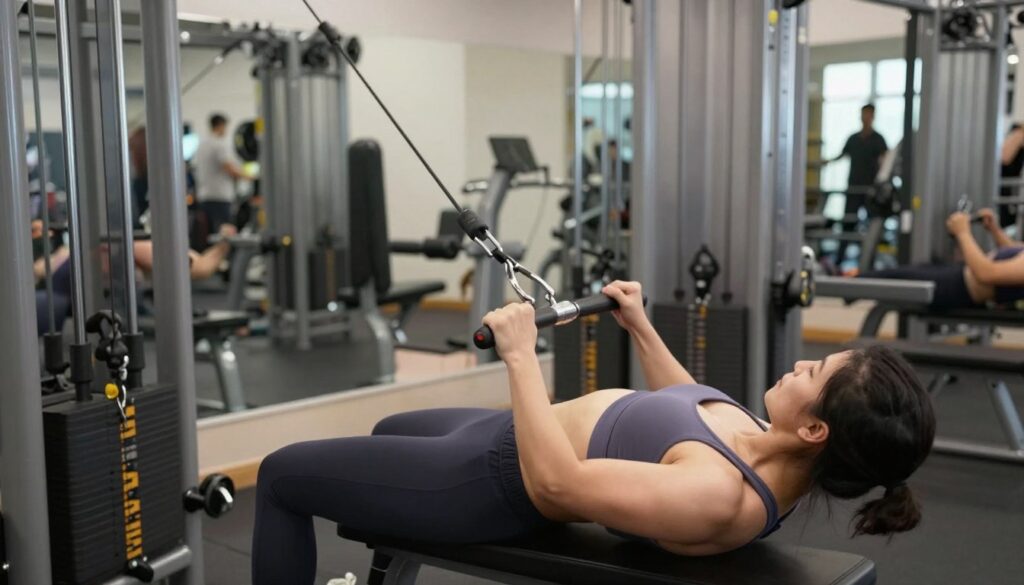
Building a strong midsection is more than just doing floor exercises. Cable machines add constant tension that gravity can’t match. This helps athletes build a more balanced and functional core.
Cable stations let you target specific muscles from different angles. This is key for better stability and athletic performance.
Cable Woodchoppers for Oblique Engagement
The cable woodchopper is great for rotational power and oblique strength. You can adjust the pulley to mimic sports movements. This exercise keeps the core stable against resistance.
To do it right, stand firm and keep your arms straight. Start the twist from your torso, not your shoulders. This makes your obliques work harder for better functional strength.
Cable Crunches for Rectus Abdominis Hypertrophy
Many struggle to build thick abs with just bodyweight crunches. Cable crunches offer progressive overload for muscle growth. Adding weight to the stack increases intensity over time.
Start by kneeling in front of the cable stack, holding the rope near your head. Crunch down, squeezing your abs at the bottom. Controlled repetitions are crucial to avoid letting hip flexors do the work.
| Exercise | Primary Target | Key Benefit | Difficulty |
|---|---|---|---|
| Cable Woodchopper | Obliques | Rotational Power | Intermediate |
| Cable Crunch | Rectus Abdominis | Hypertrophy | Beginner |
| Pallof Press | Anti-Rotation | Spinal Stability | Beginner |
Structuring the Best Cable Machine Workouts for Beginners
A total body cable workout is a great start for those new to resistance training. Cable stations offer versatility, making it easy for beginners to find best cable machine workouts. These workouts focus on safety and controlled movements, building strength without the risk of injury seen with free weights.
Designing a Full-Body Routine
A good routine targets all major muscle groups in one session. Beginners should start with basic movements like pushing, pulling, and squatting. This ensures balanced muscle growth and helps avoid injury.
Choose one exercise for the chest, back, shoulders, and legs. Finish with a core exercise. This approach boosts functional fitness and prepares for more challenging workouts.
Frequency and Volume Recommendations
Consistency is key for fitness progress in Canada. Beginners should aim for three workouts a week, with at least one day of rest. This allows muscles to recover and adapt.
For volume, do two to three sets of 10 to 12 reps per exercise. Focus on perfect form over heavy weights. As you get more confident, you can increase the intensity to keep challenging your muscles.
| Exercise Category | Recommended Sets | Target Repetitions | Rest Period |
|---|---|---|---|
| Pushing Movements | 3 Sets | 10-12 Reps | 60 Seconds |
| Pulling Movements | 3 Sets | 10-12 Reps | 60 Seconds |
| Leg Exercises | 3 Sets | 12-15 Reps | 90 Seconds |
| Core Stability | 2 Sets | 15-20 Reps | 45 Seconds |
Advanced Techniques to Accelerate Muscle Gains
To boost your strength training with cables, try new intensity-boosting strategies. When regular workouts don’t challenge you enough, these advanced methods help. They’re perfect for experienced athletes aiming to increase metabolic stress and muscle fiber recruitment.
Drop Sets and Supersets on Cable Stations
Cable machines are great for intense workouts because they adjust weights quickly. A drop set means doing a set until you can’t do more, then lowering the weight and continuing without rest. This increases blood flow to the muscles, boosting the pump and fatigue.
Supersets are doing two exercises one after the other without resting. Pairing exercises like cable chest presses and lat pulldowns keeps the intensity high while saving time. This method is key for efficient strength training with cables.
Time Under Tension Strategies
Time under tension (TUT) is how long a muscle is strained during a set. To increase this, slow down the lowering phase of the movement. Taking three to four seconds to lower the weight puts more stress on the muscles.
This approach causes deep muscle damage and stress, which are key for muscle growth. Consistent control over the cable ensures the muscle does all the work. Adding these tempo changes to your strength training with cables will improve your results over time.
| Technique | Primary Benefit | Best For |
|---|---|---|
| Drop Sets | Increased Metabolic Stress | Hypertrophy |
| Supersets | Improved Work Capacity | Time Efficiency |
| Slow Eccentrics | Enhanced Fiber Recruitment | Strength Gains |
Safety Protocols and Injury Prevention
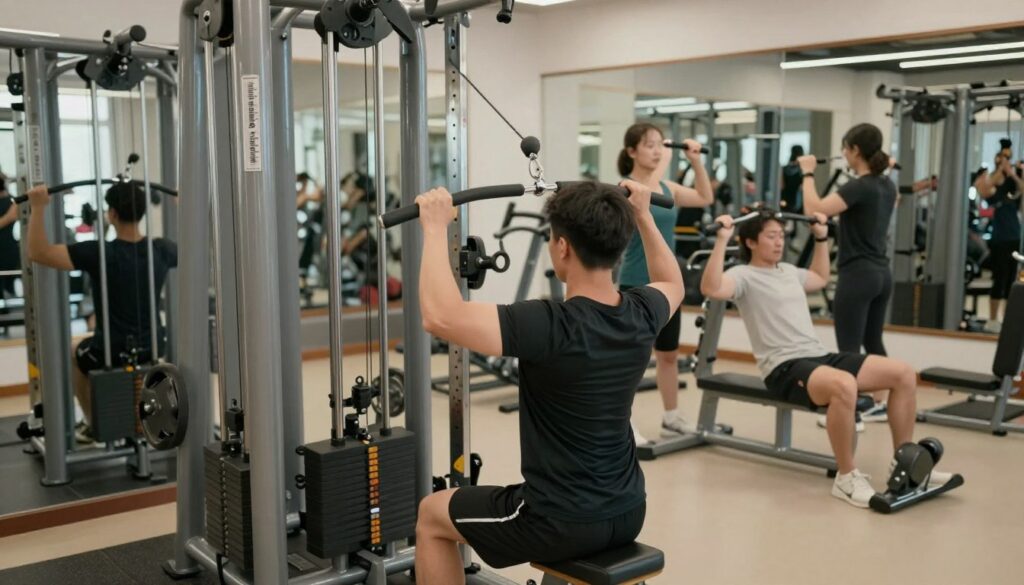
Keeping safety first is key to a good strength training program. Whether you’re doing cable machine exercises to build muscle or focusing on functional fitness exercises, how you do it matters a lot. Paying close attention to your technique helps avoid gym injuries and makes sure your muscles, not your joints, do the work.
Maintaining Proper Posture During Heavy Sets
When you lift heavier weights, it’s easy to forget about your form. Keeping your spine straight is crucial to protect your lower back. Before you start moving, make sure your core muscles are tight. This helps you stay stable and lift safely.
For beginners on a cable machine workout, keep your shoulders back and down. Don’t shrug or round your back, as this can move the focus away from the muscles you’re trying to work. Keeping your body aligned right helps keep the weight focused on the right muscles all the way through the exercise.
Avoiding Common Cable Machine Mistakes
One big mistake in the gym is using too much momentum to lift the weight. This not only makes the exercise less effective but also puts a lot of stress on your tendons. Instead, aim for a slow, controlled movement that focuses on time under tension rather than just the weight.
Another mistake is picking the wrong pulley height for your body. If the cable isn’t at the right angle for you, you might feel joint pain or uneven muscle use. Always adjust the pulley to fit your height and the exercise you’re doing to ensure a safe and smooth workout.
| Safety Factor | Corrective Action | Benefit |
|---|---|---|
| Core Engagement | Brace abs before lifting | Spinal protection |
| Movement Tempo | Use 2-second eccentric phase | Reduced joint strain |
| Pulley Alignment | Match height to shoulder level | Optimal biomechanics |
| Range of Motion | Avoid locking out joints | Increased muscle safety |
Integrating Cable Workouts into Your Existing Routine
To reach your peak physical performance, mixing free weights with cable machines is key. Adding strength training with cables to your routine helps fix muscle imbalances. This mix keeps your muscles under constant tension, crucial for growth.
Combining Cables with Compound Free Weight Lifts
Many athletes see great results by doing cable workouts after big lifts like squats or deadlifts. These cable machine workout routines help exhaust muscles without stressing your nervous system too much. They’re also great for improving your form on main lifts.
Adding a total body cable workout to your week brings variety. Focus on isolation exercises at the end to engage every muscle fiber. This approach helps build a balanced and attractive physique over time.
Recovery and Nutrition for Canadian Athletes
Canadian athletes face unique challenges, like harsh winters, when planning recovery. Cold weather boosts your calorie needs, making good nutrition key to keeping muscle mass. Functional fitness exercises on cables are great, but you need enough protein and water to support them.
Rest is crucial for your training success. In cold months, focus on indoor recovery and eat nutrient-rich foods. Keeping your diet and sleep consistent helps your muscles recover well after hard workouts.
| Training Modality | Primary Benefit | Best Use Case |
|---|---|---|
| Free Weights | Maximum Strength | Compound Lifts |
| Cable Machines | Constant Tension | Isolation & Finishers |
| Functional Training | Joint Stability | Injury Prevention |
Tracking Progress and Progressive Overload
Tracking your workouts is key to getting better. It doesn’t matter if you stick to a cable machine gym routine or mix things up. Keeping an eye on your progress helps you break through barriers and build muscle over time.
Logging Volume and Intensity
Start by keeping a detailed log of your workouts. Note the weight, reps, and sets for each exercise. This helps you see how much you’re working your muscles.
For beginners, a simple notebook or app is best. Reviewing your logs each week shows how you’re getting stronger. Consistency in logging means every workout counts towards your goals.
When to Increase Resistance
It’s time to up the challenge when you can do all sets and reps with ease. Start with small increases in the cable stack. This is safer and more effective than big jumps.
Adjusting your cable machine workout routines keeps the muscles working hard. If you find the last reps too easy, the weight is too light. Focus on controlled movements to work the muscles, not just momentum.
| Metric | Beginner Goal | Advanced Goal |
|---|---|---|
| Repetition Range | 12-15 reps | 6-10 reps |
| Rest Periods | 90-120 seconds | 60-90 seconds |
| Load Progression | Every 2 weeks | Every session |
| Tracking Method | Manual Log | Performance App |
Conclusion
Building a stronger body takes dedication to proven training methods. Adding the best cable machine workouts to your routine is key. It provides the constant tension needed for muscle growth.
Success comes from strict form and using progressive overload. Gym-goers in Canada who track their volume and intensity see better results. Consistent effort is the main driver of physical change.
Using equipment from brands like Life Fitness or Hammer Strength adds versatility. Athletes who focus on recovery and nutrition alongside training maximize their gains. These habits lead to long-term health.
Every repetition matters when aiming for specific strength goals. Applying these strategies helps improve technique and overcome plateaus. Staying committed ensures fitness goals become a reality.
FAQ
What are the primary cable machine benefits compared to using dumbbells or barbells?
How should a cable machine workout for beginners be structured for the best results?
Can functional fitness exercises be performed effectively on a cable tower?
What are the best cable machine workouts for targeting the upper body?
Why is strength training with cables considered efficient for advanced lifters?
How does adjusting pulley heights impact the effectiveness of cable machine workout routines?
What is the most effective way to ensure progressive overload with cable machine exercises?
Are cables effective for lower body development and stability?




No Comment! Be the first one.